
Whether you are buying a home in Cypress, selling a commercial property in Houston, or simply keeping tabs on a building you already own, your inspection with Ron Grant Consulting Services starts the moment you make that first call. Our certified home inspectors and commercial inspectors treat every visit as an education, not just a walkthrough, so you leave with a real understanding of the property.
We follow the Standards of Practice set by InterNACHI, a respected leader in the home inspection and commercial inspection industry. Along the way, we work through every major system and component, from the roof down to the foundation, and flag anything that needs your attention right away.
Once the walkthrough wraps up, we sit down and talk through what we found, in plain language, with you and your real estate agent if you have one. Your inspection ends with a detailed, easy to read report available in both HTML and PDF formats, complete with photos and clear notes on everything we covered. That report becomes your reference point long after the walkthrough wraps up, whether you are negotiating repairs or just getting to know your new property.
For commercial clients, the visit may also include a closer look at electrical systems, structural components, and other elements unique to commercial buildings, since our team holds specialized training in commercial property evaluation. No two properties are the same, so no two inspections look exactly alike either.
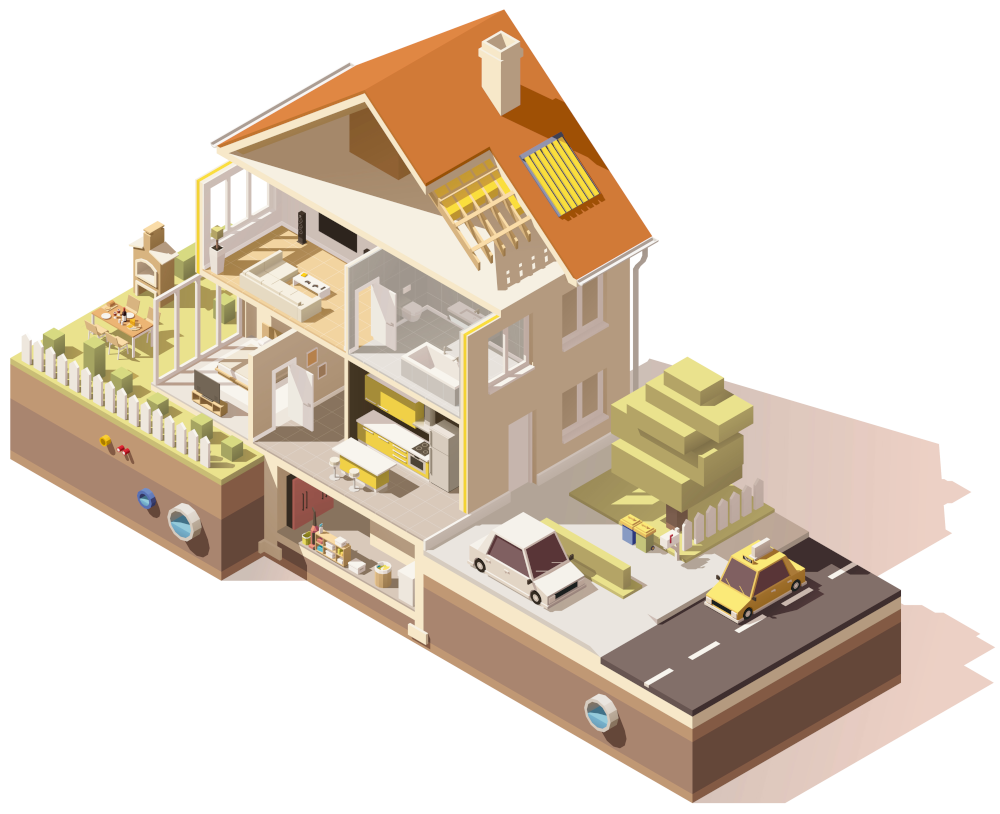
During your inspection, we examine the foundation, roof, plumbing, electrical systems, heating and cooling, insulation, windows, doors, and every other major component we can safely access. Depending on the size of the property, a residential inspection usually runs two to three hours, while a commercial inspection can take longer depending on the building.
Clear out the areas we will need to reach, including attic access, crawlspace entries, and the electrical panel. Make sure any built in appliances are working and that pets are secured or out of the house if you will not be there. If you cannot attend, just make sure we have a way to get inside.
Not exactly. Your inspection is really an audit of the property’s current condition rather than a pass or fail test. We note concerns on your report so you know what to watch, but the decision about what to do next is always yours.
You can, in most cases, but we would not recommend it. Skipping your inspection means taking on a property without knowing what is really going on behind the walls, and that gap in knowledge can turn into an expensive surprise later.
We can point you toward what needs fixing and roughly what it might cost, since our construction background gives us a good read on repair scope. We are not the ones swinging the hammer though, and we like it that way. Keeping inspection and repair work separate protects you from any conflict of interest.
It can. If we find something that lowers the property’s condition, that may bring the appraised value down, and if we uncover something that needs repair, the buyer and seller will need to work out who handles the cost before the deal can move forward.
A clear report gives buyers real leverage to negotiate price or repairs, while sellers can get ahead of issues before a property ever hits the market.
From electrical hazards to carbon monoxide risks, mold, and structural concerns, your inspection is built around catching the things that could actually hurt someone.
We flag components nearing the end of their lifespan, like an aging HVAC system or water heater, so you can plan and budget instead of getting blindsided.
A pre-listing inspection shows buyers you have nothing to hide, which tends to speed up offers and smooth out negotiations on both sides.
Whether it is a home, a commercial building, or a property still under construction, knowing exactly what you are dealing with turns a stressful decision into a confident one.

We look at roof coverings, gutters, downspouts, flashing, vents, skylights, chimneys, and the overall structure holding it all together.
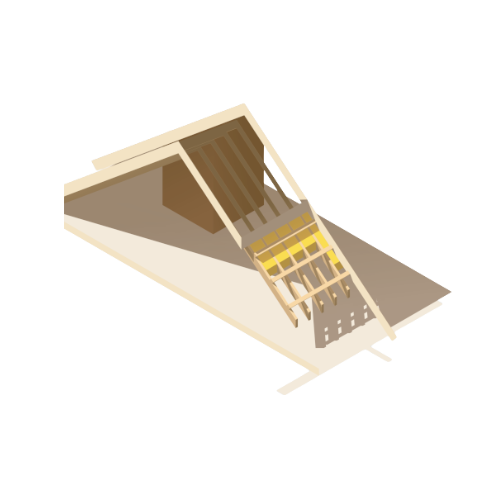
We check insulation levels and airflow in attics, crawl spaces, and other unfinished areas, along with the exhaust systems that keep moisture moving out.
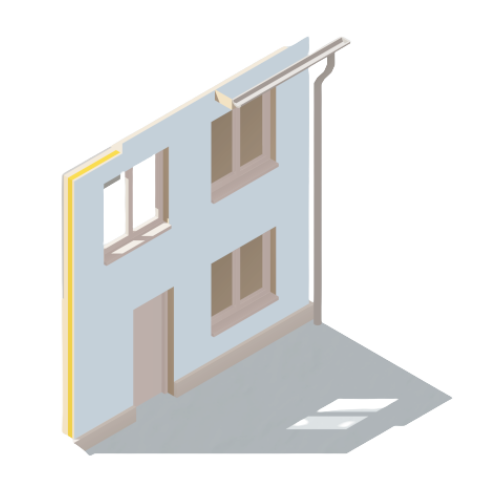
Siding, windows, exterior doors, trim, walkways, driveways, decks, patios, and drainage all get a close look for wear, damage, or drainage issues.
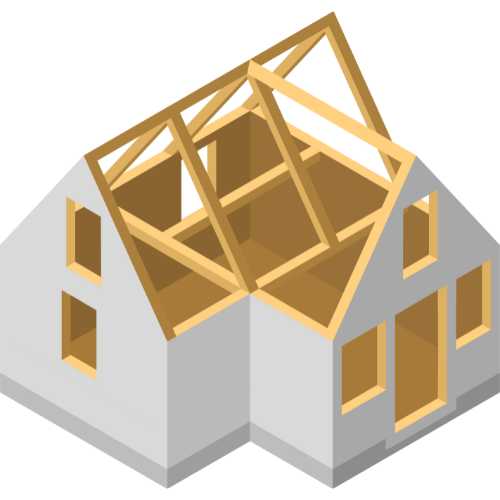
We watch for foundation movement, cracking, structural red flags, and any signs that water has been finding its way in where it should not.
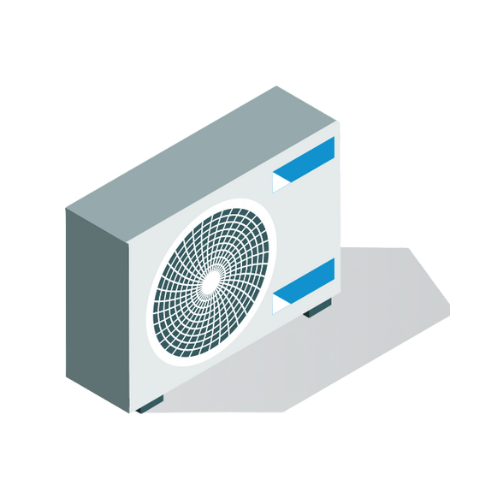
We note the cooling system type, thermostat location, energy source, and how the system cools the home.
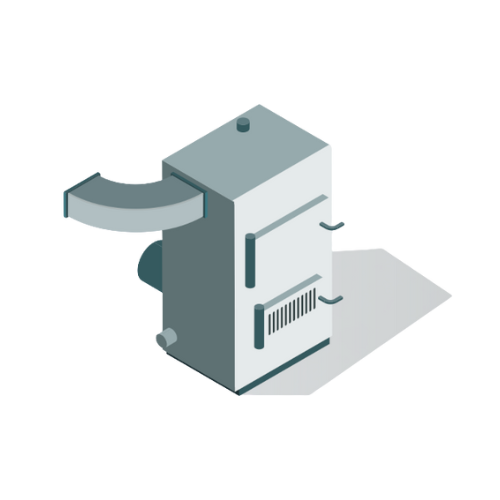
Same approach on the heating side, system type, thermostat location, energy source, and overall heating method.
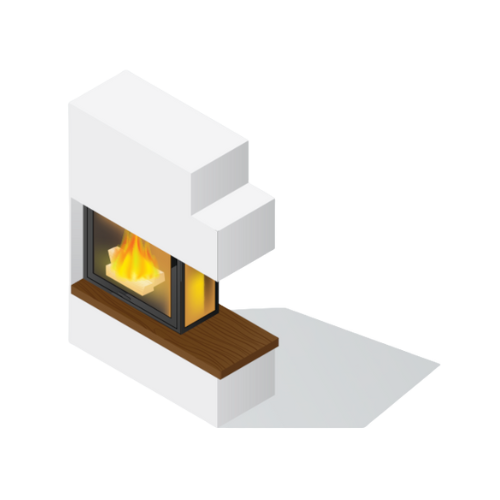
Visible fireplace and chimney components, lintels, damper doors, and cleanout doors and frames are all part of the walkthrough.
Main water and fuel shut-off valves, the water heater, interior supply lines, toilets, sinks, tubs, showers, and drain, waste, and vent systems all get checked.
From the service drop and main disconnect to panelboards, grounding, switches, light fixtures, AFCI and GFCI protected receptacles, and smoke and carbon monoxide detectors, we cover the electrical system top to bottom.
Dishwasher, disposal, range, oven, microwave, refrigerator, exhaust, bathroom heater, garage door, doorbell, and dryer vent are all tested for basic function.
For properties with a pool, we look at circulation, heating, filtering, electrical components, water chemistry, and any safety concerns.
We note the condition of doors, windows, floors, walls, ceilings, stairs, railings, and garage door openers throughout the interior.
